
Daily Affirmations as a Tool for Self-Compassion and Personal Acceptance

Embrace Positive Change
In an ever-challenging world, fostering self-compassion and personal acceptance is more crucial than ever. One surprisingly effective method for enhancing these qualities is through the practice of daily affirmations. These powerful statements not only promote a positive mindset but also encourage emotional well-being. It can be easily integrated into everyday life, allowing individuals of all backgrounds to nurture a healthier sense of self.
The Power of Affirmations
Daily affirmations can guide individuals toward self-discovery. Taking the time to verbalize or internalize positive statements serves as a method to combat the negative self-talk that often plagues us. By consistently reciting affirmations, people can:
- Challenge negative self-talk: Replacing thoughts like “I’m not good enough” with affirmations such as “I am capable and worthy” can fundamentally alter how we perceive ourselves.
- Reinforce their worth and abilities: Statements like “I bring value to my community” help to solidify our understanding of our contributions, which is essential in both personal and professional spheres.
- Establish a compassionate inner dialogue: Affirmations such as “I deserve kindness, both from others and myself” encourage a nurturing attitude that can foster resilience.
Consider incorporating affirmations into your routine. Whether you write them on sticky notes that you place on your bathroom mirror or repeat them during your morning meditation, the act of vocalizing positive beliefs can profoundly shift your perspective. Numerous studies underline the efficacy of these practices, suggesting they can significantly benefit mental health by:
- Reducing anxiety and stress: For example, individuals struggling with anxiety might find that daily affirmations help to ground their emotions and create a sense of calm.
- Increasing emotional resilience: Learning to respond to setbacks with affirmations can foster a mindset where challenges are viewed as opportunities for growth.
- Improving overall happiness: Engaging in positive self-talk has been linked to higher levels of satisfaction with life, which is especially relevant in our fast-paced society.
Ultimately, recognizing the impact of words on our self-perception is a vital step in the journey toward personal acceptance. As we delve further into the transformative potential of daily affirmations, you may discover techniques and tools that resonate deeply with your quest for self-love and kindness. Engaging with this practice not only empowers individuals but also contributes to a broader culture of mental wellness and positivity. By taking small steps each day, we can create a ripple effect that encourages greater acceptance and compassion within ourselves and the communities we inhabit.
DISCOVER MORE: Click here to learn how positive affirmations can reshape your habits</
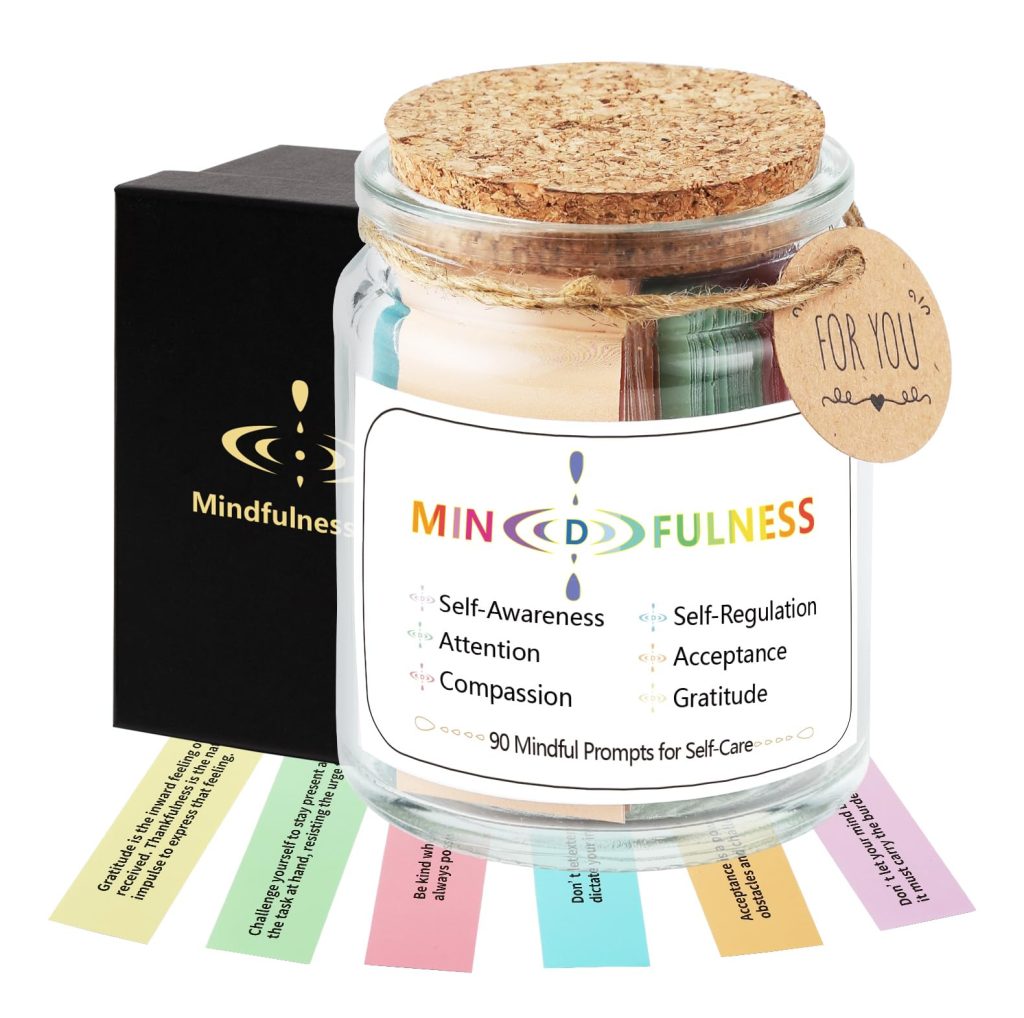
Unlocking the Benefits of Daily Affirmations
Engaging in the journey of self-compassion and personal acceptance requires a nuanced understanding of the power inherent in the words we choose. Daily affirmations play a pivotal role in this process, functioning as tools to reframe our thoughts and challenge long-standing beliefs about our worth and capabilities. This practice is not simply about generating positive thoughts; it is a commitment to altering one’s internal dialogue to foster a more compassionate and accepting inner voice.
Transforming Thought Patterns
The transformative power of daily affirmations is rooted in the fundamental belief that our thoughts shape our reality. This is supported by findings in psychology revealing the brain’s remarkable ability to adapt and change, a concept known as neuroplasticity. When one consistently repeats positive statements, they can effectively ‘rewire’ their brain to embrace a more optimistic mindset. Here are some profound ways daily affirmations facilitate this transformation:
- Promoting Self-Awareness: Through daily affirmations, individuals are encouraged to take a step back and reflect on their feelings and beliefs. For instance, one might recognize negative thoughts that arise during moments of self-doubt and counter them with positive affirmations, gaining deeper insight into their emotional health.
- Encouraging Self-Love: Simple yet powerful statements like “I am deserving of love and respect” can dismantle internalized criticism that often plagues many, fostering a nurturing relationship with oneself.
- Building Confidence: Regularly affirming personal strengths, such as saying “I am skilled and talented,” can create a solid foundation of self-confidence that influences various facets of life—from professional ambitions to personal relationships.
Moreover, integrating affirmations into daily routines can significantly enhance their effectiveness. When these statements are woven into activities such as journaling, meditation, or even mundane tasks like showering, they transcend mere words, resonating on a more profound level. Consider these illustrative examples:
- Morning Rituals: Beginning the day with affirmations can set a positive tone, equipping individuals to face daily challenges with renewed vigor. For example, someone might say, “Today is full of opportunities,” which instills motivation right from the start.
- Breaks in the Day: Utilizing brief moments of downtime—like a lunch break or during a commute—can be ideal for practicing affirmations, producing immediate boosts in motivation and clarity during busy days.
- Evening Reflections: Ending the day with gratitude affirmations, such as “I am thankful for my efforts today,” reinforces a positive self-assessment and prepares the mind for a restful night.
As individuals consistently embrace daily affirmations, they often experience a gradual yet significant shift in their self-perception. Over time, these potent statements can lay a strong foundation of resilience, enabling one to embrace a more authentic self—flaws and all. With dedication to this practice, anyone can ignite the spark of compassion within, fostering a loving and nurturing relationship with themselves. This transformative journey has the potential to impact not only personal well-being but also how we interact with the world around us, paving pathways towards a more fulfilling and enriching life.
| Advantages | Description |
|---|---|
| Promotes Self-Awareness | Engaging in daily affirmations encourages individuals to examine their thoughts and feelings, fostering a deeper understanding of self. |
| Enhances Resilience | Daily affirmations help build inner strength by cultivating a positive mindset, enabling individuals to face life’s challenges with confidence. |
| Fosters Self-Acceptance | Regular practice allows individuals to embrace their imperfections, promoting a sense of peace and appreciation for oneself. |
| Encourages Positive Relationships | As self-compassion grows, individuals often cultivate healthier relationships with others, sharing their newfound positivity. |
Daily affirmations serve as a transformative tool for those seeking personal growth and self-acceptance. Through the conscious repetition of positive statements, one can shift their mindset, combating negative self-talk and reinforcing empowering beliefs. As a practice rooted in psychological research, affirmations not only enhance one’s emotional well-being but also contribute to improved mental health outcomes.Incorporating daily affirmations into your routine can lead to remarkable benefits. For one, as affirmations become a part of your daily life, they instill habitual positivity, allowing for a clearer perspective on challenges and personal goals. Moreover, engaging with these positive statements can lead to remarkable shifts in mood and self-esteem, resulting in a greater capacity for empathy and connection with others. As you explore various affirmations, consider how they can be tailored to resonate with your own experiences and aspirations, paving the way for a more fulfilled and compassionate self.
DISCOVER: Click here to boost your productivity
Implementing Affirmations for Sustainable Change
The integration of daily affirmations into one’s life extends beyond a mere verbal exercise; it is about embedding a culture of self-compassion and personal acceptance within our daily routines. To maximize the effectiveness of affirmations, consider not only what you affirm but also how you can make these affirmations a fundamental part of your day. A structured approach can invite a more profound and lasting change in self-perception and emotional health.
Creating Personalized Affirmations
One of the most compelling ways to engage with this practice is to develop personalized affirmations that resonate with your unique experiences and aspirations. Tailoring affirmations can enhance their effectiveness by ensuring they reflect authentic emotions and goals. For instance, instead of using generic statements like, “I am enough,” consider exploring what ‘enough’ looks like for you personally. You might say, “I celebrate my uniqueness,” which emphasizes individual attributes rather than conforming to societal expectations. This personalized touch allows individuals to connect with their introspection more deeply.
Affirmations and Emotional Regulation
Daily affirmations can also serve as vital tools for emotional regulation. In high-stress situations or moments of anxiety, affirmations can act as a grounding force. A study published in the journal Psychological Science indicates that the act of verbalizing positive affirmations helps reduce stress responses and enhances one’s ability to cope with challenging scenarios. For example, during moments of job-related stress, an individual might repeat, “I have the skills to manage my workload effectively,” creating a buffer against overwhelming feelings and fostering a sense of control.
The Role of Community and Support
Additionally, reinforcing affirmations within a community setting can amplify their impact. Engaging with groups focused on personal growth, like therapy sessions or affirmation workshops, creates a supportive environment where affirmations can be shared, discussed, and celebrated. In a 2020 survey from the American Psychological Association, findings revealed that individuals who practiced affirmations in small groups reported increased feelings of belonging and improved mental health compared to those who practiced alone. This collective practice not only normalizes the pursuit of self-compassion but also binds individuals through shared experiences.
Tracking Progress Through Journaling
Another effective method is maintaining an affirmation journal, where individuals can document their experiences and track growth over time. This reflective practice not only reinforces the affirmations being used but also encourages writers to acknowledge changes in their thoughts and feelings. Studies underscore that journaling can significantly enhance emotional processing, allowing individuals to connect faster with their journey toward self-acceptance. As one writes about their affirmations—like “I embrace my imperfections”—they create a visual representation of their progress, reinforcing their commitment to personal growth.
As more individuals turn towards daily affirmations as a fruitful practice for self-compassion and acceptance, exploring diverse methods of implementation will be key. By tailoring affirmations, utilizing them in community contexts, and engaging in journaling, we create fertile ground for nurturing a compassionate self-image that resonates deeply and authentically within our lives. Embracing this multi-faceted approach can turn daily affirmations into a robust framework for emotional well-being, guiding individuals towards a more enriching relationship with themselves and their surroundings.
DISCOVER MORE: Click here to unlock the power of daily affirmations
Conclusion: The Transformative Potential of Daily Affirmations
In an increasingly fast-paced world that often emphasizes perfection and external validation, the practice of daily affirmations offers a refreshing pathway towards self-compassion and personal acceptance. By weaving affirmative statements into our daily lives, we not only boost our emotional resilience but also cultivate a deeper understanding of our worth. Crafting tailored affirmations allows individuals to engage with their unique journeys, fostering a genuine connection that broadens self-awareness while challenging unfair societal standards.
Moreover, the power of community cannot be understated. Engaging in group settings or discussions enhances the impact of affirmations, making the practice a shared journey toward healing and growth. With the support of others, we learn to embrace our vulnerabilities and reshape our internal narratives. Complementing affirmations with journaling provides a tangible means of tracking personal progress, reinforcing the transformation towards self-acceptance. This reflective habit encourages the acknowledgment of our achievements, no matter how small, paving the way for a more compassionate perspective of ourselves.
Ultimately, the integration of daily affirmations as a tool for self-compassion and personal acceptance is not just a fleeting trend; it is a profound practice that can lead to a lasting change in how we perceive ourselves. By committing to this practice, individuals discover a wealth of emotional strength, enabling them to navigate their lives with a renewed sense of purpose and authenticity. As we foster a culture of kindness towards ourselves, we unlock the potential for greater fulfillment and happiness. Now is the time to embrace daily affirmations as a significant step toward nurturing a compassionate self-image and enriching our relationship with ourselves and the world.