
The Science Behind Affirmations: How They Influence the Brain and Behavior
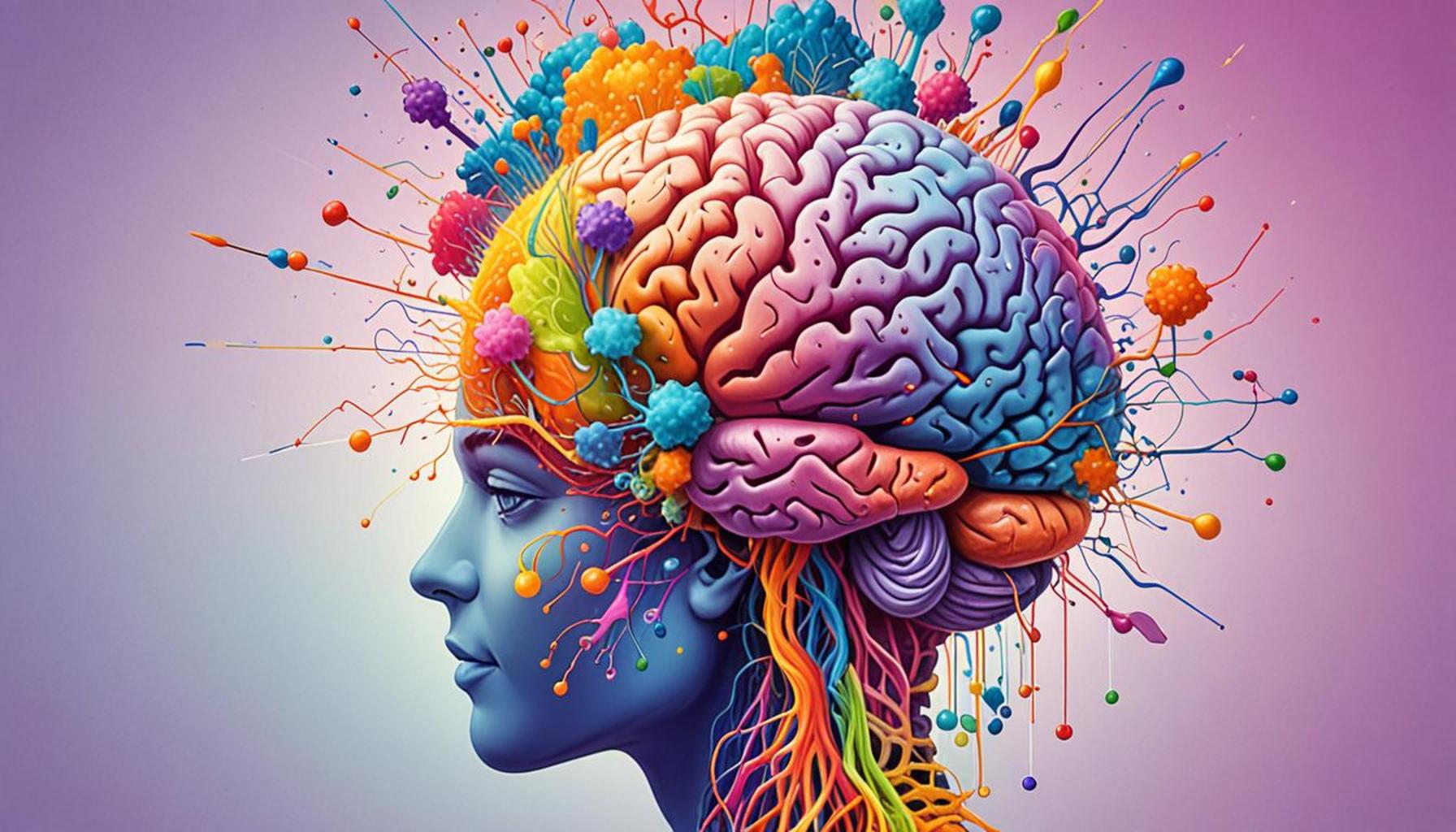
Understanding the Science Behind Affirmations
Affirmations have gained significant traction as a popular self-help tool, but what lies beneath their surface? The science behind these positive statements reveals much more than mere feel-good mantras. Understanding how affirmations function can illuminate their profound effect on our brain and behavior.
The Neuroscience of Affirmations
Research shows that repeating affirmative phrases can alter brain function in remarkable ways. This transformative potential unfolds through several scientific mechanisms:
- Neural Pathways: Just like a path in a forest gets clearer with frequent use, consistent affirmation practice enhances the neural pathways associated with self-confidence and resilience. Studies indicate that the more we affirm positive beliefs about ourselves, the more our brain reinforces those pathways, making it easier to access confidence during challenges.
- Stress Reduction: Affirmations can activate regions of the brain that help reduce stress and anxiety, promoting a calmer mental state. For instance, when individuals recite affirmations that resonate with their personal values, they may elevate levels of serotonin and endorphins, leading to better mood and a sense of well-being.
- Behavior Modification: Positive self-talk influences decision-making processes and behavioral patterns in daily life. When individuals regularly engage in affirmations, they begin to perceive themselves and their abilities more positively, which can shift their approach to challenges. For example, a student who affirms, “I am capable of mastering this subject,” might be more likely to engage in effective study habits and seek help when needed.
A Practical Tool for Change
While affirmations can seem overly simplistic, their impact is backed by neuroscience and practical experience. Engaging in this practice not only nurtures a positive mindset but also:
- Enhances Motivational Levels: Affirmations encourage proactive behavior and goal-oriented thoughts, which can be crucial for personal and professional success. For instance, an entrepreneur might declare, “I am building a successful business,” motivating them to take necessary actions towards that goal.
- Fosters Better Mental Health: They can serve as a coping mechanism, especially during challenging times. Research has shown that individuals who use affirmations during stressful periods report lower levels of anxiety and feelings of helplessness. This makes affirmations a valuable tool in mental health initiatives across various communities in the United States.
- Cultivates Self-Compassion: Regular affirmations help build a healthier relationship with oneself. Instead of harsh self-criticism, practicing affirmations allows individuals to recognize their worth, ultimately leading to increased self-esteem and overall happiness.
Dive deeper into the intricacies of affirmations and discover how harnessing this simple practice can lead to significant transformations in your life. As evidence mounts, it’s clear that the benefits of affirmations extend far beyond surface comfort, anchoring themselves in scientific reality and psychological resilience.
DISCOVER MORE: Click here to learn how positive affirmations can change your life
The Mechanisms of Change Through Affirmations
The mechanisms through which affirmations influence the brain and behavior are intricately linked to various psychological and neurological processes. Delving into these processes unveils how affirmations are not simply words repeated ad infinitum but powerful statements that can reshape both thought patterns and emotional responses.
The Role of Neuroplasticity
At the heart of understanding the impact of affirmations is the concept of neuroplasticity. This refers to the brain’s ability to reorganize itself by forming new neural connections throughout life. Research suggests that when individuals consistently engage in affirmations, they can effectively rewire their brains. This rewiring occurs as:
- Positive Feedback Loops: Affirmations can create positive feedback loops, which reinforce optimistic thoughts. As individuals affirm positive qualities, they experience an increase in self-efficacy, which in turn encourages further positive thinking and affirmation.
- Challenge Negative Thought Patterns: Regularly practicing affirmations can help to undermine negative thought patterns. By repeatedly asserting positive statements, individuals may gradually develop new, healthier perspectives that lessen the impact of entrenched self-doubt and anxiety.
- Formation of New Habits: Affirmations serve as a trigger for more supportive behaviors. When a person states, “I am a person who prioritizes my health,” they are more likely to engage in actions that align with this belief, fostering a lifestyle conducive to well-being.
Correlation with Behavior Changes
The influence of affirmations extends beyond mere internal dialogue; they manifest into observable behavioral changes. This correlation between positive affirmations and improved behavioral outcomes is supported by various studies:
- Increased Resilience: Research indicates that individuals who practice affirmations are generally more resilient when facing adversity. This resilience is key to overcoming challenges, as it enables individuals to bounce back from setbacks with renewed motivation.
- Social Interaction Improvement: Affirmations can also enhance interpersonal relations. Those who foster positive self-views are often more empathetic and connect better with others, leading to improved social support networks, which further enhances resilience.
- Academic and Professional Success: Numerous studies within educational and corporate settings demonstrate that students and employees who engage in positive self-talk—often through affirmations—report higher levels of performance, satisfaction, and overall effectiveness in their roles.
Understanding these mechanisms reflects not only the psychological depth of affirmations but also highlights their practical applicability in various aspects of life. As more individuals seek ways to enhance their mental health and well-being, the scientific understanding of affirmations provides a compelling avenue toward achieving personal growth and transformation.
| Category | Key Features |
|---|---|
| Cognitive Reframing | Affirmations aid in reshaping negative thought patterns, promoting a more positive outlook. |
| Neuroplasticity | Regular engagement with affirmations encourages the brain’s ability to restructure and adapt. |
| Self-Confidence Boost | Repeating affirmations enhances self-esteem and facilitates goal attainment. |
| Stress Reduction | Utilizing affirmations helps in lowering stress levels and anxiety, promoting mental well-being. |
Understanding how affirmations work involves delving into the brain’s remarkable capacity to adapt and change through neuroplasticity. This process not only involves the formation of new neural pathways but also the alteration of existing ones when we regularly practice positive affirmations. The psychological implications of such practices have drawn considerable attention in contemporary psychological research.As users vocalize or reflect on positive affirmations, they trigger a subconscious shift that impacts behaviors and mindsets. For instance, the act of engaging with affirmations can lead to an increase in self-confidence, as individuals start to adopt a more positive self-image. This newfound confidence can be a catalyst for taking action toward personal goals, whether in professional settings or personal relationships.Moreover, the integration of affirmations into daily routines has been linked to the reduction of stress levels. Emotional states significantly affect our well-being, and vocalizing positive statements can mitigate overwhelming feelings of anxiety. The brain interprets these affirmations, fostering a sense of security and self-efficacy, elements crucial for navigating challenges.With these insights, one can appreciate the science behind affirmations and their potential to drive meaningful change in behavior and thought patterns. Such exploration serves not only to expand understanding but also to encourage the integration of affirmations into daily life for enhanced psychological resilience and overall well-being.
EXPLORE MORE: Click here for powerful affirmation strategies
Scientific Studies Supporting the Efficacy of Affirmations
The efficacy of affirmations is increasingly supported by empirical research. Various studies have provided evidence on how these positive statements can lead to impressive changes in mindset and behavioral patterns. Understanding the scientific basis strengthens the argument for their inclusion in daily routines, positioning affirmations as a beneficial practice.
Nurturing Growth Mindset with Affirmations
One of the compelling areas of research is the relationship between affirmations and the development of a growth mindset. Dr. Carol Dweck’s pioneering work emphasizes that individuals who believe their abilities can develop through dedication and hard work show increased motivation and achievement. By utilizing affirmations like, “I am constantly growing and improving in my skills,” individuals can foster this growth mindset. Dweck’s research indicates that these affirmations can significantly enhance resilience among students, especially when faced with academic challenges.
Impact on Stress Reduction
Moreover, affirmations have been linked to reduced stress levels, a crucial factor in overall health and mental well-being. A study published in the journal Psychological Science examined the effects of affirmations on cortisol levels—often referred to as the “stress hormone.” Participants who engaged in positive affirmations showed marked reductions in cortisol levels during stressful situations, suggesting that affirmations may indeed serve as protective factors against stress-related health issues.
Enhancing Self-Regulation
Self-regulation, the ability to manage one’s emotions, thoughts, and behaviors, is another essential aspect where affirmations make a significant impact. Research has shown that when individuals practice affirmations that resonate with their core values and beliefs, they can improve their self-control and decision-making abilities. For instance, affirmations that focus on personal values, such as “I am committed to my goals,” can enhance individual willpower, making it easier to resist temptations or distractions that might derail progress.
The Neuroscience Behind Positive Affirmations
Neuroscientific research has also begun to illuminate the neural underpinnings of how affirmations affect the brain. Functional MRI (fMRI) studies have indicated that affirmations activate areas of the brain associated with self-processing and reward pathways. This activation can translate into heightened self-esteem and a sense of agency. When people affirm their worth, the brain’s reward center is stimulated, releasing feel-good neurotransmitters like dopamine, which reinforce positive behaviors and further encourage the practice of affirmations.
Community and Relational Benefits
Affirmations also transcend the individual, impacting broader social dynamics. Engaging in collective affirmations within groups—whether in workplaces, classrooms, or support networks—can enhance teamwork and collaboration. Research published in the Journal of Personality and Social Psychology indicates that groups that practice affirmations foster a sense of connection and trust, leading to improved communication and problem-solving capabilities. This communal practice can amplify the positive effects of affirmations, creating a supportive environment that nurtures growth both individually and collectively.
As the landscape of psychological research expands, the transformative power of affirmations continues to surface, revealing a profound capacity for enhancing mental well-being, nurturing resilience, and fostering social bonds. Through an understanding of these mechanisms, individuals can harness the potential of affirmations, turning simple statements into catalysts for significant change in their lives.
DISCOVER MORE: Click here to learn how to cultivate daily positivity
Conclusion: Unlocking the Power of Affirmations
In conclusion, the science behind affirmations reveals a fascinating interplay between positive self-statements and the brain’s ability to shape behavior and mindset. As illustrated through various studies, affirmations not only nurture a growth mindset but also alleviate stress and bolster self-regulation. The activation of reward pathways in the brain supports a reinforcement mechanism that fosters improved self-esteem and motivation, while the communal practice of affirmations promotes social cohesion and collaboration.
As we delve deeper into the nuances of how affirmations influence cognitive processes and emotional states, it becomes clear that incorporating them into daily routines can facilitate profound transformation. Whether you seek to enhance your resilience in challenging situations, bolster your self-control, or strengthen relationships within community settings, affirmations offer a powerful tool for personal and collective growth.
To harness the potential of affirmations, individuals may begin by crafting statements that resonate with their values and aspirations, thereby driving positive change not just within themselves, but in their broader environments as well. As psychological research continues to evolve, exploring the mechanisms behind these seemingly simple phrases, it invites everyone to consider how a few positive words can lead to monumental shifts in behavior and overall well-being. So, why not take a moment today to affirm your own journey? The science clearly supports the possibility that it could lead to extraordinary results.