
The Science of Affirmations: How Neuroplasticity Supports Habit Formation
Understanding Neuroplasticity and the Role of Affirmations
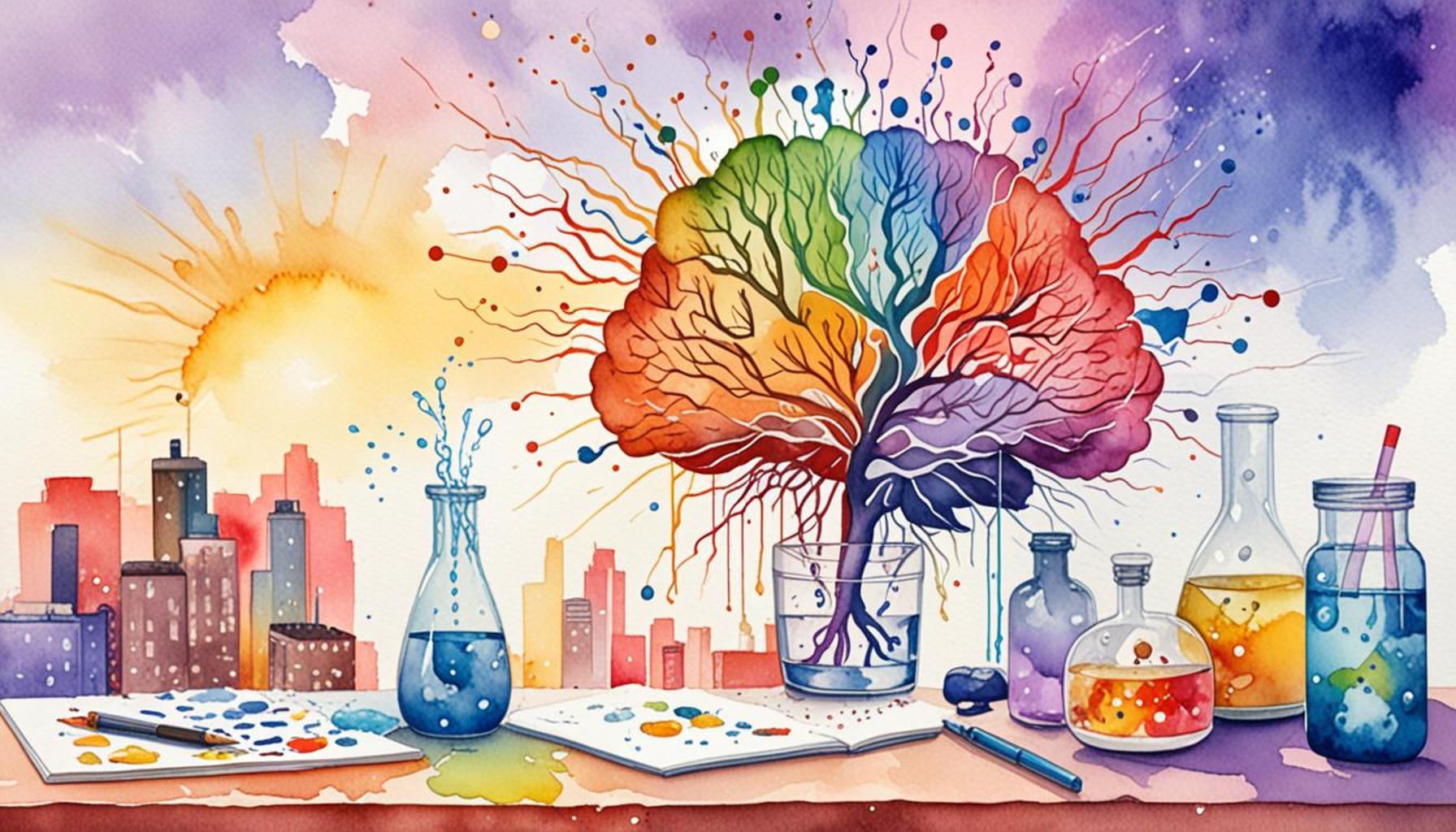
The human brain is an extraordinary organ, constantly evolving and adapting throughout our lives. This adaptability is termed neuroplasticity, a scientific concept that illustrates how the brain can reorganize itself by building new neural connections in response to learning, experiences, and even thoughts. Essentially, our brains are capable of change—an empowering notion that encourages personal growth and transformation.
One of the most accessible and impactful tools for harnessing the potential of neuroplasticity is through the practice of affirmations. These are not merely positive phrases; rather, they act as powerful catalysts for significant transformation. When integrated into our daily routines, affirmations can:
- Reinforce Positive Beliefs: Regularly affirming one’s abilities fosters a growth mindset, crucial for building self-confidence. For instance, aspiring professionals in the United States often use affirmations such as, “I am capable of achieving my goals,” which can enhance confidence in competitive environments.
- Modify Neural Pathways: Repeated affirmations create new connections in the brain, making positive thoughts more entrenched. This process can lead to automatic positive thinking patterns, countering negative self-talk that often arises during stressful situations.
- Influence Habits: Engaging in consistent affirmation practices can reinforce good habits over time. For example, a student might affirm, “I enjoy studying and learning,” ultimately making study sessions a more enjoyable and productive experience.
Numerous studies bolster the idea that affirmations can overhaul our mental frameworks and behaviors. Research has shown that dedicated affirmation practices can yield:
- Reduced Stress: Incorporating positive self-talk into daily routines has been linked to lower levels of anxiety and stress, essential for maintaining mental health in fast-paced environments like bustling American cities.
- Improved Performance: Professionals and athletes alike harness the power of mental conditioning through affirmations, with many Olympic athletes crediting their success to positive visualization and affirmations that prepare them mentally for competition.
- Increased Resilience: By fostering a positive mindset, affirmations empower individuals to face challenges with greater ease, a skill particularly valuable in overcoming hurdles like job loss or personal setbacks.
Exploring the intersection of neuroplasticity and affirmations opens a doorway to a wealth of possibilities. By understanding and applying these principles, individuals can take proactive steps to reshape their thoughts and behaviors, leading to meaningful improvements in their lives. Encouraging a mindset of growth and resilience not only empowers personal change but can also inspire those around us to pursue their potential, ultimately crafting a more positive environment in both personal and professional spaces.
DISCOVER MORE: Click here to learn how daily affirmations can enhance your connections</p
The Mechanisms Behind Neuroplasticity and Affirmative Practices
To grasp how affirmations influence our brain’s structure and function, it is essential to delve deeper into the mechanisms of neuroplasticity. Neuroplasticity encompasses several processes, such as synaptic plasticity, which refers to the strengthening or weakening of synapses based on experience, and developmental plasticity, which is critical during childhood. Recent research highlights that neuroplasticity isn’t limited to early life stages; adults can exhibit significant brain changes well into their later years. This ongoing adaptability provides a robust foundation for understanding the impact of affirmations on habit formation.
A key aspect of neuroplasticity is the brain’s ability to respond to patterns of behavior and thoughts. When we regularly engage in affirmations, these statements become more ingrained in our cognitive processes. This results in the formation of new neural pathways that support positive thinking and behavior. The more these pathways are utilized, the stronger they become, akin to building a highway of thought where positivity can travel swiftly.
Numerous studies have illuminated the profound links between lived experiences, neural changes, and habit formation. In particular, researchers at Stanford University found that people who regularly practice affirmations showed marked improvements in resilience and coping skills. Affirmations appear to create a buffer against stress responses by activating the areas of the brain responsible for self-referential processing, which aids emotional regulation.
To fully appreciate the transformative potential of affirmations, one must also consider their multifaceted applications in daily life. These declarations can influence various domains, including:
- Health and Wellness: Empowering affirmations like, “I prioritize my health,” can lead to better lifestyle choices, encouraging physical activity and nutrition.
- Academic Success: Students who recite affirmations such as, “I am capable of understanding this material,” often report increased engagement and improved performance in their studies.
- Professional Development: Professional growth can be reinforced through affirmations like, “I excel in challenges and embrace opportunities,” fostering an environment conducive to career advancement.
The ability of affirmations to reshape our cognitive landscape is further supported by empirical evidence. A study published in the journal Psychological Science demonstrated that participants who practiced self-affirmations exhibited a greater willingness to tackle challenging tasks, indicating that their cognitive frameworks had been positively altered. Similarly, a longitudinal study highlighted that individuals involved in consistent positive self-talk experienced measurable changes in their emotional well-being and an enhanced capacity to adapt to adversity.
Embracing the science of affirmations in conjunction with neuroplasticity opens a portal to profound personal transformation. As individuals learn to cultivate a mindset of positivity through intentional practice, they not only experience growth but also inspire those around them to embark on their journeys of change. Therefore, engaging with affirmations is not merely a self-help strategy—it is a powerful neurological approach to reshaping one’s identity and habits for a better future.
| Category | Details |
|---|---|
| Neuroplasticity | The brain’s ability to rewire itself and adapt to new experiences. |
| Affirmations | Positive statements that help challenge and overcome negative thoughts. |
| Habit Formation | Creating routines that lead to desired behaviors through reinforcement. |
| Reinforcement | Following up positive affirmations with actions to instill habits. |
| Mindset Transformation | Shifts in perspective that open pathways for growth and resilience. |
The intersection of neuroplasticity and affirmations exemplifies how groundbreaking science informs personal development. When individuals regularly engage with positive affirmations, they create new neural pathways, gradually reshaping their thought processes and emotional responses. This process is crucial for habit formation, as it allows people to replace ingrained negative beliefs with empowering narratives.For instance, consistent use of affirmations reinforces the brain’s circuitry associated with self-esteem and motivation. This mental shift not only promotes positive self-talk but also enhances overall mental resilience, ultimately leading to lasting behavioral changes. Regularly affirming positive traits aligns the subconscious with the desired outcomes, thereby manifesting change in everyday actions.Moreover, by understanding the science behind affirmations, individuals can appreciate the role of reinforcement in habit formation. This combination of affirmation and action cultivates a cycle of success, making it easier to maintain positive habits over time. In essence, as neural connections strengthen through positive reinforcement, individuals may find that the journey to self-improvement becomes an organic part of their lives.
DISCOVER MORE: Click here to deepen your self-care journey
The Real-World Impact of Affirmations on Neuroplasticity
While the theoretical groundwork surrounding affirmations and neuroplasticity is compelling, the real-world implications paint an even richer picture of how these practices influence our daily lives. The fundamental premise is that our brains possess the remarkable ability to rewire themselves based on how we choose to think and feel. This principle of adaptability suggests that anyone can harness affirmations as a tool to instigate profound changes in behavior.
One notable case study involved a cohort of veterans struggling with post-traumatic stress disorder (PTSD). Implementing daily affirmation exercises, researchers observed significant reductions in symptoms and an increased overall sense of well-being. This transformation was attributed largely to the brain’s neuroplastic response to the positive self-talk these affirmations prompted, reinforcing resilience and hope. As these veterans began to visualize a better future for themselves, the emotional regions of their brains became more responsive to positive stimuli, effectively rewiring their reaction to stressors.
Similarly, the field of sports psychology has embraced affirmative practices to bolster athletic performance. Take, for example, Olympians who integrate affirmations into their training regimens, reciting phrases such as, “I am strong, I am focused, and I will succeed.” Research suggests that, by embedding such statements into their mental conditioning, athletes develop greater mental fortitude and increased stamina, enabling them to confront challenges head-on. Neuroplasticity facilitates these beliefs by forming new connections in the brain that support heightened performance levels.
Moreover, educational settings are increasingly recognizing the role of affirmations in enhancing student performance and resilience. For instance, teachers employing affirmations in classroom activities reported improved engagement and a more positive classroom atmosphere. A specific example includes a program that introduced daily positive affirmations among high school students, ultimately leading to a 20% increase in overall academic performance. The practice not only fostered a greater sense of self-efficacy but also cultivated a supportive environment for peer collaboration.
At its core, the practice of affirmations taps into the positive rewards system within the brain. When individuals focus on affirming their strengths, the brain releases neurotransmitters such as dopamine, which enhance motivation and reinforce desired behaviors. As these affirmations become habitual, they solidify the neural pathways associated with these positive thoughts and actions, gradually leading to habit formation.
- Therapeutic Settings: Mental health professionals are incorporating affirmations into therapeutic modalities, helping clients reframe negative self-perceptions and develop healthier mindsets.
- Community and Support Groups: Group settings, where individuals share affirmations aloud, can foster a sense of belonging and collective resilience, further enhancing the neuroplastic benefits.
The implications of leveraging affirmations for personal growth and habit formation are profound. As individuals discover the science behind these practices, they are empowered to embrace the process of change and harness their brain’s incredible potential. This blend of psychological insight and neuroscience creates a vibrant framework for anyone interested in initiating lasting change in their lives.
DISCOVER MORE: Click here to learn about the power of affirmations
Embracing the Power of Affirmations for Lasting Change
In conclusion, the intersection of affirmations and neuroplasticity offers a compelling narrative about how our thoughts shape our realities. By understanding that our brains are not static but are instead continuously evolving, we can leverage practices such as daily affirmations to create transformative change in our lives. From improving mental health outcomes in individuals with PTSD to enhancing athletic performance and fostering academic success, the evidence of affirmations’ efficacy is both diverse and robust.
The studies highlight a clear takeaway: when we engage in consistent positive self-talk, we are actively rewiring our brains. This rewiring not only reinforces positive thought patterns but also establishes new neural pathways that support desired behaviors, ultimately leading to successful habit formation. As more fields, such as education and mental health, integrate these insights into their practices, the potential for individual and collective growth continues to expand.
As you journey toward personal improvement, consider incorporating affirmations into your daily routine. Whether it’s through journaling, vocal affirmations, or community support groups, harnessing the power of your words can lead to profound behavioral changes. The dynamic relationship between thought and brain structure invites us to explore our own cognitive landscapes, encouraging a mindset that champions resilience and success. By embracing this science-backed approach, we position ourselves to unlock our full potential and positively impact our lives and those around us.